
OUR MISSION
Our Legacy: The Alliance of the Competition and the PHA
The David Popper International Cello Competition has reached a historic new milestone. Since our founding, our mission has been to provide a world-class stage for young talents and to keep the artistry of our namesake alive. Today, we are proud to continue this journey as an integral part of the Popper Heritage Association (PHA).
Through this partnership, the competition becomes more than just a biennial contest; it becomes part of a global, living movement dedicated to serving as the international epicenter for the master's intellectual and musical legacy. The PHA’s mission is to create a vibrant bridge between the timeless values of music history and the future generations of cellists.

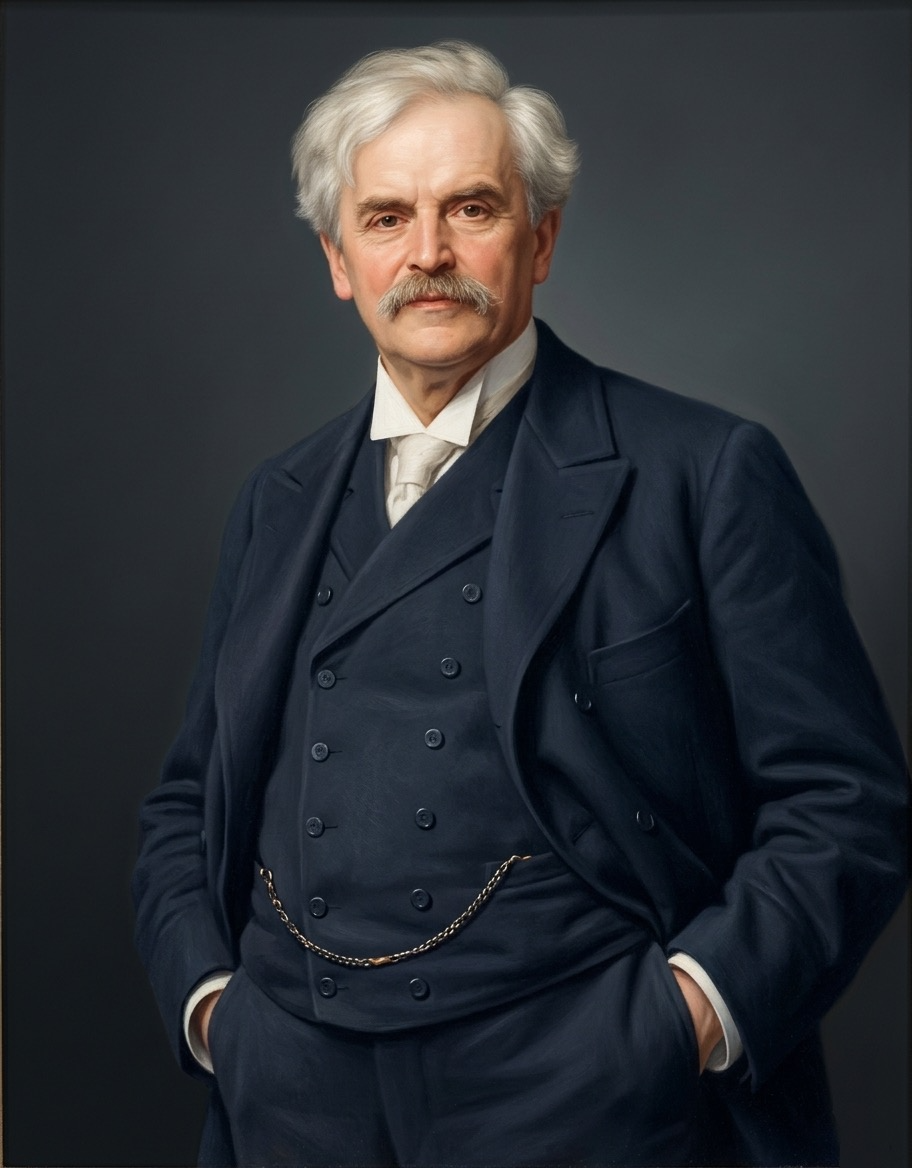
MUSIC HISTORY SPOTLIGHT
David Popper (1843–1913) and His Impact on Musical History
Born in Prague, David Popper was undoubtedly the most celebrated cello virtuoso of his era, admired for a playing style that combined effortless virtuosity with a noble, singing tone. After touring Europe's greatest halls and serving as the principal cellist of the Vienna Court Opera, he moved to Budapest in 1886 upon the invitation of Franz Liszt and the cultural leadership of the time.
For nearly three decades until his passing, he served as a professor at the Budapest Academy of Music, where he co-founded the world-renowned Hubay–Popper String Quartet and actively shaped the golden age of Hungarian music. His artistic stature is underscored by his close collaboration with Johannes Brahms: in December 1886, Popper and Brahms personally performed the Budapest premiere of Brahms's iconic Cello Sonata in F major (Op. 99), just two weeks after its world premiere in Vienna.
As a composer, Popper dedicated his profound knowledge to his beloved instrument, leaving behind a repertoire performed worldwide. His works remain fundamental pedagogical pillars of cello playing, while his character pieces and concertos are celebrated masterpieces of the cello literature.
“Popper was not only the king of the cello, but also an ambassador of musical elegance and a noble sound.”